Spicebush (Lindera benzoin) Plant
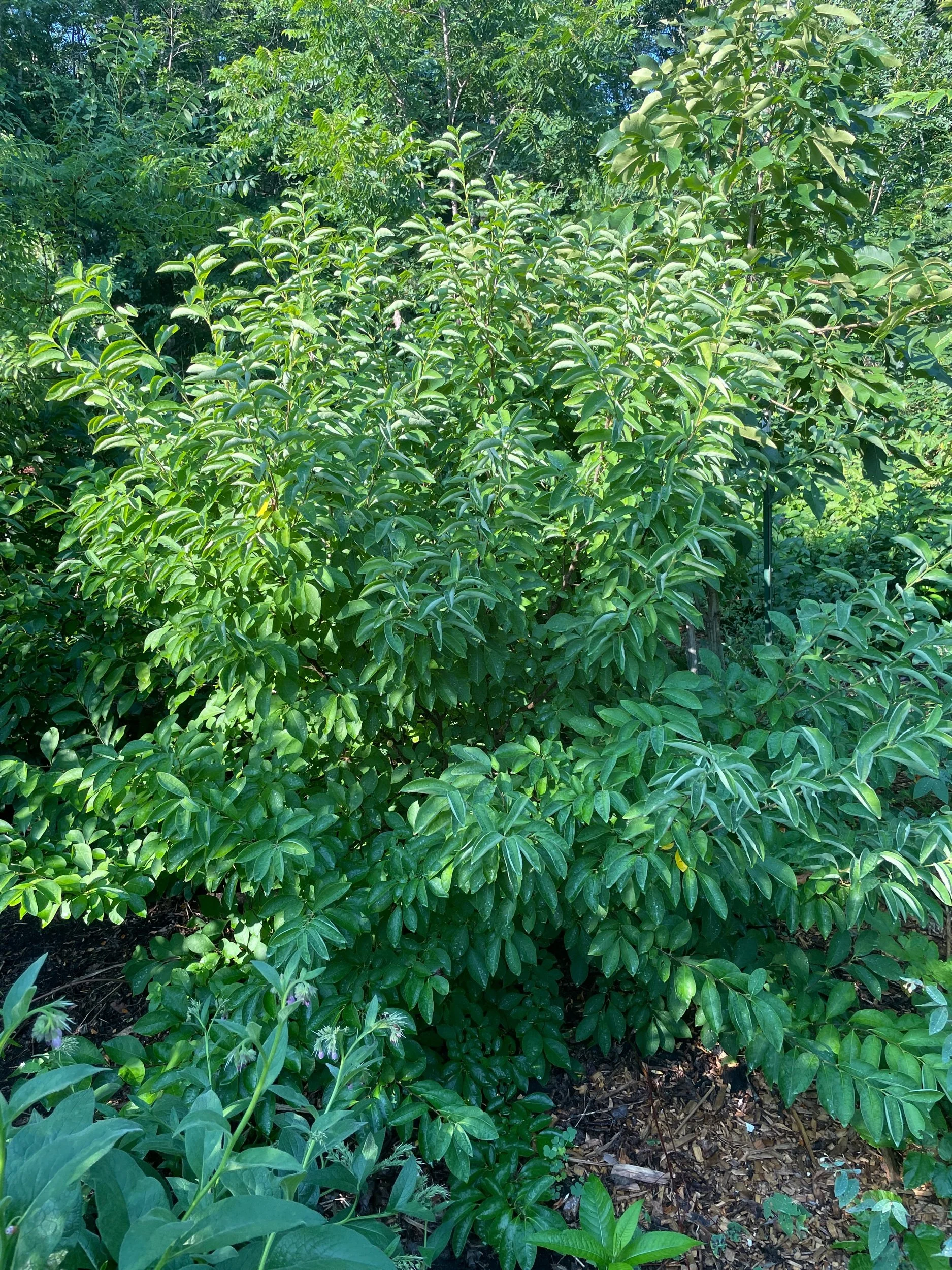
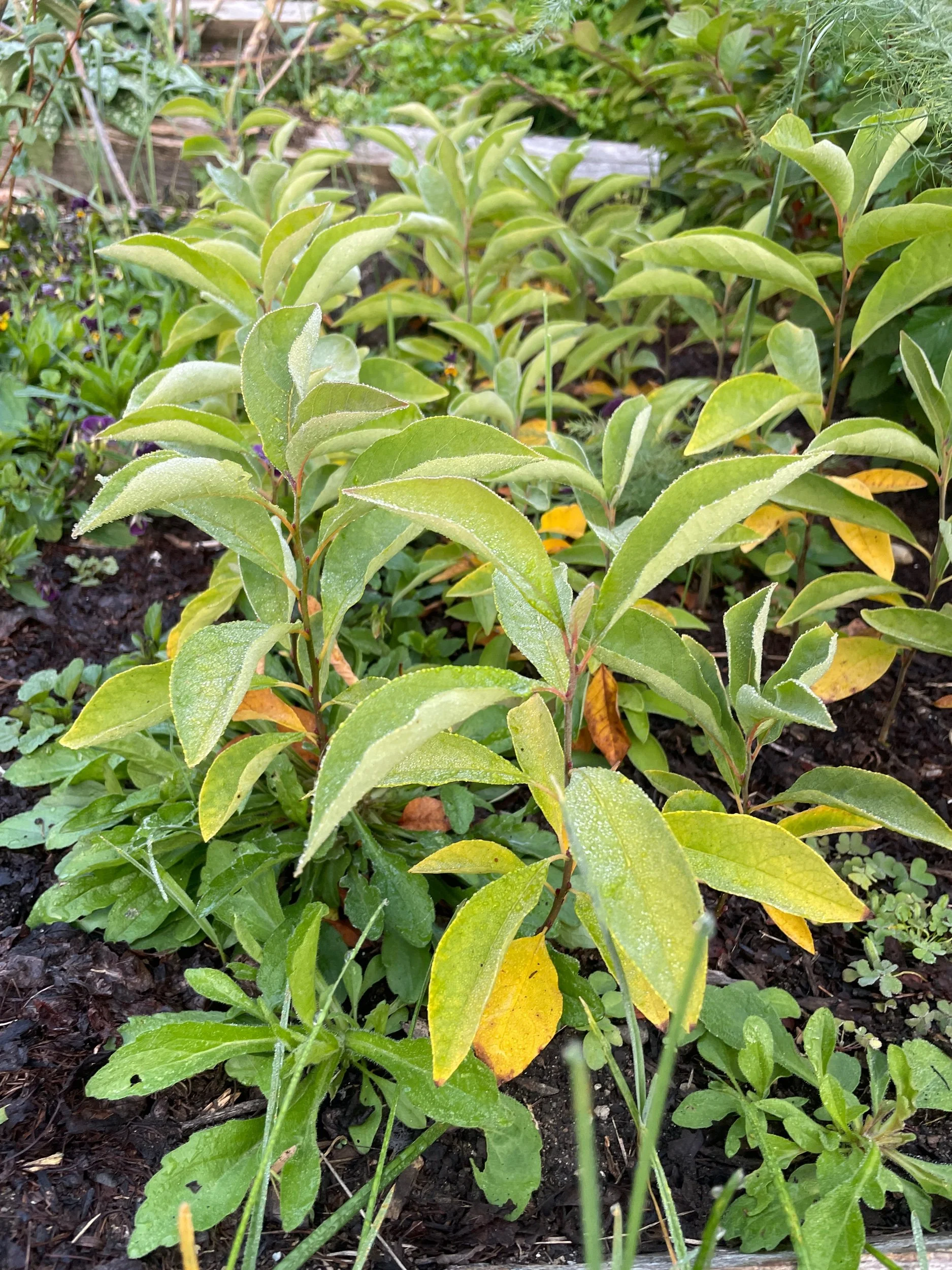
Seed grown plant, 5-8” tall.
These are local ecotype plants grown at Edgewood Nursery, original stock from wild populations in Sanford, Maine.
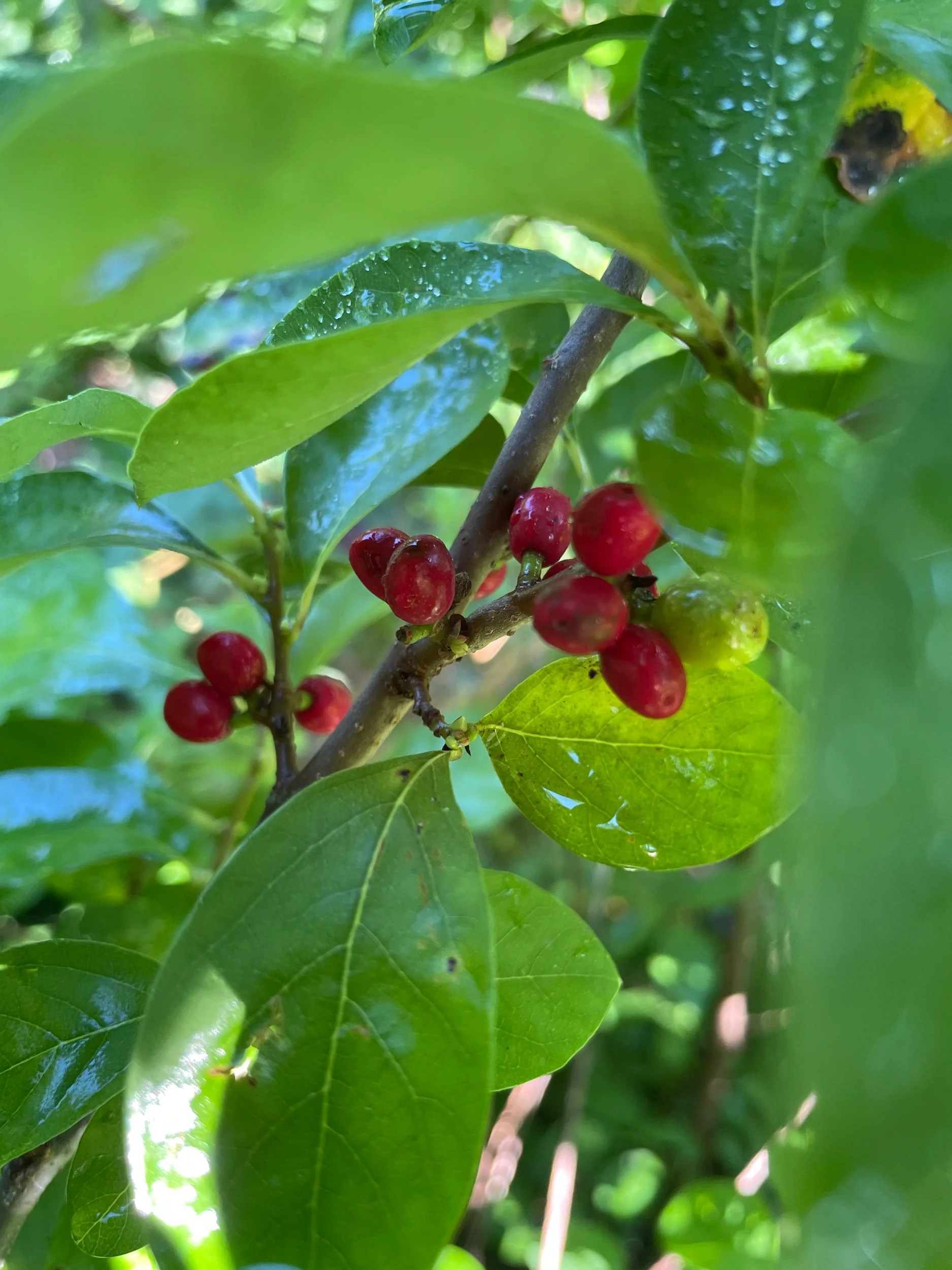
Native shrub with edible berries. Thrives is damp to medium soils in sun to shade. Bright yellow fall color.
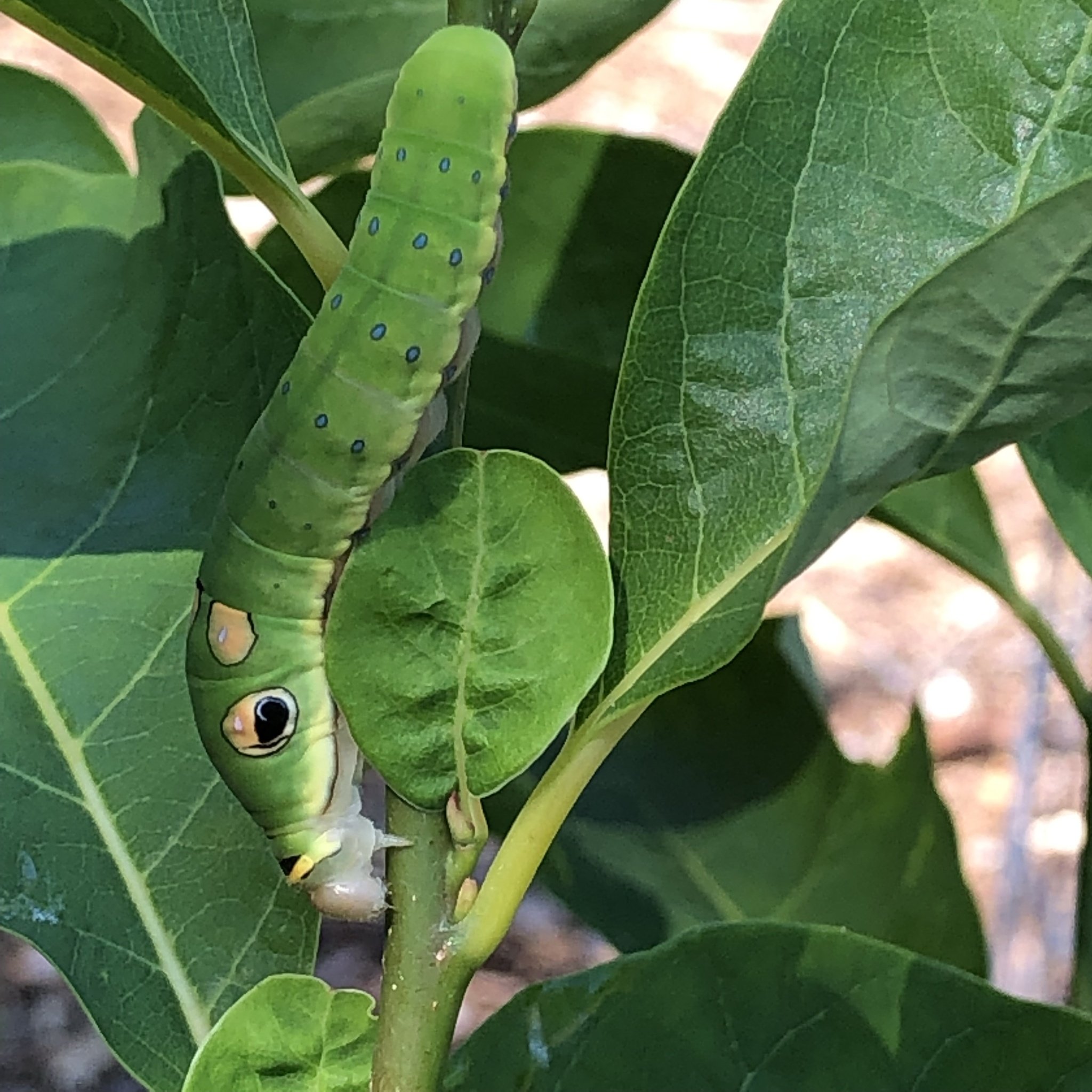
I’ve been excited about Spicebush for several years and I finally have seedlings available for sale! There are lots of reasons to love this shrub, the berries can be used as a seasoning (with different flavor profiles picked green or red), the leaves and bark make a fragrant tea, they sport bright yellow blooms early in spring, the berries are excellent bird food (high in fat to fuel migration), they are a specialist host for Spicebush Swallowtail Butterflies (Papilio troilus) AND they are a poster-child for assisted migration. While Spicebush has historically grown in here in Cumberland county, the nearest extant populations I know of are in York county. When I saw my first Spicebush Swallowtail caterpillar in my garden in 2022, I excitedly logged a Inaturalist pin and realized something very interesting. At that point, my garden was the furthest north and east pin for Spicebush Swallowtail caterpillars, but there were several pins even farther north and east of adult butterflies! To me this indicates that the butterflies are dispersing northwards with climate change, but their host plants aren’t there yet. I see Spicebush as a great example of assisted migration because it’s just a short hop (about 30 miles from Sanford to Falmouth), but that journey could take 100s of years left to rodents and birds. Since 2022, a new pin has been added in Stockton Springs that is the new north east limit of Spicebush Swallowtail reproduction.